2024-2025 Virtual Speaker Series

SAGHS Virtual Speaker Series: First Tuesday of the month, September through May, 7:00 p.m. central time.
Plan now to join us online for these outstanding presentations by top genealogy speakers and local historians! 
 
Please note: by registering for a meeting, you agree to be added to the SAGHS emailing list. This list will not be shared or sold; it is used only to distribute the SAGHS monthly newsletter and news of area genealogical events.
Speakers and programs are subject to change without notice.
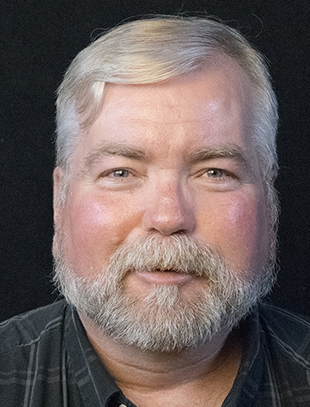
 
September 2
"Genealogical and Historical Research at the Portal to Texas History" presented by Jacob Mangum, Project Development Librarian
The Portal to Texas History (texashistory.unt.edu) is a digital repository for historical and cultural heritage materials that is the product of collaboration between the University of North Texas Libraries and Portal Partners, which include genealogical societies, museums, libraries, government agencies, and private collectors. The presentation will provide users with an overview of the Portal to Texas History, show how to navigate it for their research interests, and highlight some of the various collections on the Portal. 
CLICK HERE to register for virtual access.
 
October 7
"AI in Genealogical Research: A Practical Approach” presented by Diana Elder, AG AGLTM
See how AI works in real genealogy research through hands-on examples. Using the case study of Isabella Weatherford, we'll learn how AI can help with common research tasks, analyzing documents, and preparing reports. You'll see the examples of AI tools in action and learn what they do well (and not so well). Leave with practical tips and specific examples you can use in your own family history research.
CLICK HERE to register for virtual access.
November 4 
"Migration Across the American South" presented by Jim Thornill
Wondering how your ancestors suddenly appeared in the South? Migration through the south starts in Europe of the 1700s, travels across the Atlantic and down the east coast of the US, concentrating on how our ancestors traveled and what they experienced along the way. Then we apply that knowledge to the records we have, which helps determine how they migrated to the south.
CLICK HERE to register for virtual access.
 
December 2 
"American Ancestors, Military and Pension Record Research at NARA," presented by David Allen Lambert, Chief Genealogist of American Ancestors/NEHGS
The website of the National Archives and Records Administration (Archives.gov) is your at-home portal to a myriad of records. This program will show you how to navigate the online catalog, access or request records from home, and, because not everything is online, discuss tips for planning a research trip. We will also discuss the difference between the National Archives in Washington, DC, and the regional branches found across the country.
CLICK HERE to register for virtual access.
 
January 6
"Avoiding Bias: Consider All the Possibilities" presented by Barbara Coakley
Unrecognized bias can lead genealogists astray—resulting in inaccurate conclusions and incomplete family stories. We’ll explore how cognitive bias creeps into genealogical research and the behaviors that can skew results. You’ll learn how to combat bias using proven tools such as the Genealogical Proof Standard (GPS), a consistent research process, and comprehensive source checklists. Real-world case studies will illustrate how to spot and correct for bias and ensure conclusions are built on a foundation of sound evidence. Whether you’re a beginner or a seasoned researcher, this session will equip you with practical methods to improve the accuracy and credibility of your genealogical work.
CLICK HERE to register for virtual access.
 
February 3
"Connecting Faces Through Time" presented by Tina LaFreniere, Founder and CEO of Related Faces
During her presentation Tina shows us how to identify unknown people in old photographs by utilizing the features of Related Faces. This class discusses the basics of how facial recognition works, the importance of properly digitizing your photos and how to do it with just a cell phone. It covers techniques for making positive identifications with real-world examples. This class is packed with a lot of great information!
CLICK HERE to register for virtual access.
 
March 3
"Researching at the West Texas Collection," presented by Shannon Sturm, Associate Director of Special Collections, ASU
Have you hit a roadblock in your research? Having trouble locating the right bit of information, or just don’t know where to begin? This session will focus on tips and tricks for beginning or deepening your research and will explore methods for locating, evaluating, and using primary sources. Highlighting resources available through Angelo State University’s Dr. Ralph R. Chase West Texas Collection, as well as those freely available online, attendees will learn (or reenforce) methods of discerning relevancy and quality of information as well as advanced search techniques employed in historical research. Time for Q&A will be available at the conclusion of the presentation. 
CLICK HERE to register for virtual access.
 
April 7
"Genealogical Grit: Persevering Through Tough Problems" presented by Cari Taplin, CG
When an answer is elusive, do you tend to give up? Don’t stop just because one thing didn’t turn up any records for you. There are always more databases, digitized collections, online books, and so much more to find. This lecture discusses “genealogical perseverance” through examples and how they were overcome  
CLICK HERE to register for virtual access.
 
May 5
"Finding Family in Indian Territory," presented by Hannah Kubacak, Reference Librarian
Discover the complex history of modern-day Oklahoma when it was Indian Territory. Learn about the Five Civilized Tribes, Freedmen, and Intruders, and explore records that reveal the lives of those who lived there between 1850 and 1907. Myths will be dispelled, insights shared, and practical tips provided to help you uncover your family’s story in this fascinating and often misunderstood region.
CLICK HERE to register for virtual access.